
Could a simple breath test really save lives on the road? Alcohol-impaired driving is a big problem. Breathalyzers are becoming key tools to stop dangerous driving.
Alcohol-related traffic deaths make up about 30% of all road deaths each year. A DUI prevention device like a breathalyzer can be the difference between safety and tragedy. These tools give drivers important info about their blood alcohol level, helping them make smart choices.
Breathalyzers for car DUI protection are more than tech—they’re lifesavers. They connect personal responsibility with public safety. Knowing how they work, their legal side, and how to use them can help keep everyone safe on the road.
Key Takeaways
- Breathalyzers help prevent alcohol-impaired driving incidents
- 30% of traffic fatalities involve alcohol consumption
- DUI safety devices provide critical blood alcohol concentration measurements
- Personal breathalyzers support responsible decision-making
- Technology plays a critical role in reducing road accidents
Understanding Breathalyzers for Cars
Driving under the influence is a big safety issue in the U.S. Car breathalyzers help stop drunk driving. They keep roads safe from accidents caused by drunk drivers.
Breathalyzers are smart devices that check how much alcohol is in your breath. They help make roads safer and teach people to be responsible.
What is a Breathalyzer?
A DUI breathalyzer is a small electronic device. It checks how much alcohol is in your breath. It tells if you can safely drive a car.
- Measures alcohol concentration in exhaled breath
- Provides instant BAC reading
- Helps prevent impaired driving
How Do Breathalyzers Work?
Breathalyzers find alcohol in the air you breathe out. When you drink alcohol, some goes to your lungs. Then, it comes out when you breathe.
| Detection Method | Accuracy Level | Common Usage |
|---|---|---|
| Semiconductor Sensors | Moderate | Personal Use |
| Fuel Cell Sensors | High | Professional Settings |
| Infrared Spectroscopy | Very High | Law Enforcement |
Types of Breathalyzers Available
There are many types of breathalyzers for different uses. Choosing the right one depends on what you need it for.
- Personal portable breathalyzers
- Professional workplace testing devices
- Vehicle ignition interlock systems
Legal Implications of DUIs
Driving under the influence (DUI) has serious legal effects. It can change a person’s life a lot. Knowing the DUI penalties shows how important it is to drive safely.
Consequences of a DUI Conviction
A DUI conviction leads to many serious legal issues. The first DUI consequences are:
- Automatic driver’s license suspension
- Substantial monetary fines
- Potential jail time
- Mandatory alcohol education programs
- Criminal record establishment
First-time offenders usually get misdemeanor charges. But, if you get caught again, it can be a felony. The financial and personal impact goes way beyond the first penalties.
The Role of Breathalyzers in DUI Cases
Breathalyzers are key in DUI cases. Police use them to find out if you’ve been drinking. Courts use the results to know your blood alcohol level.
Important things about breathalyzers in court are:
- Roadside screening for initial assessment
- Evidential breath testing at police stations
- Implied consent laws
- Potential challenges to test accuracy
Refusing a breathalyzer test can lead to losing your license. It might also mean you’re seen as guilty in court.
How Breathalyzers Are Used by Law Enforcement
Law enforcement uses advanced technology to catch and stop drunk drivers. Breathalyzers are key in DUI Arrest Help and DUI Charges Defense. They give clear proof of alcohol use.
- Preliminary Breath Testers (PBTs): Small handheld devices for roadside stops
- Evidential Breath Testers (EBTs): Bigger machines at police stations
Field Sobriety Tests vs. Breathalyzer Use
Before using a breathalyzer, officers do field sobriety tests. These tests check how well a driver moves and includes:
- Horizontal Gaze Nystagmus Test
- Walk-and-Turn Test
- One-Leg Stand Test
Field sobriety tests show if someone might be drunk. But, breathalyzer results give exact BAC levels. These are key for DUI Charges Defense.
Calibration and Accuracy of Law Enforcement Devices
Breathalyzers must be very accurate. They need:
- Regular monthly checks
- Certification from the national safety agency
- Good upkeep and records
Right breathalyzer results are vital for winning cases. They help protect people’s rights during DUI Arrest Help.
The Importance of Breathalyzers in Preventing DUIs
Breathalyzers are key in keeping our roads safe. They help stop drunk driving by checking how much alcohol is in your blood. This is done right away and is very accurate.
Drunk driving is a big danger on the roads. Transport Canada says about 30% of car crashes are because of alcohol. We really need to find ways to stop this.
How Breathalyzers Deter Impaired Driving
Breathalyzers help stop drunk driving in several ways:
- They give you instant feedback on your BAC.
- They help the police catch drunk drivers.
- They make sure cars can’t start if the driver is drunk.
Personal breathalyzers help you make smart choices. Many people can’t tell if they’re too drunk to drive. That’s why these devices are so important.
Statistics on DUI Incidents
Here are some facts about how well breathalyzers work:
- About 10,000 people die in car crashes every year because of alcohol.
- Ignition interlock devices stop over 350,000 drunk driving attempts every day.
- Places with strict breathalyzer laws see 15-20% fewer deaths from drunk driving.
Breathalyzers are a great mix of technology and personal responsibility. They are a strong tool against drunk driving and keep our roads safer.
Installing a Breathalyzer in Your Vehicle
Learning about vehicle safety can be hard. It’s even harder with Ignition Interlock Devices (IIDs). These special breathalyzer systems help stop drunk driving and keep roads safe.
Types of In-Car Breathalyzer Systems
There are many kinds of Interlock Devices for different needs:
- Court-Mandated IID Systems: For people who got DUIs
- Voluntary Teen Driver Monitoring Systems
- Commercial Fleet Breathalyzer Devices
The most common IID connects to your car’s start. It makes drivers blow into it before starting the engine. New systems have cool features like:
- Rolling retests while driving
- Tamper detection mechanisms
- GPS tracking capabilities
- Comprehensive data logging
Steps for IID Installation
Putting in an Interlock Device needs a pro. Here’s how it’s done:
- Get court or DMV permission
- Choose a state-approved IID provider
- Book a pro installation time
- Learn how to use the device
- Get it set up by a pro
- Go back for regular checks
Having a pro install it makes sure it works right and follows the law. The whole thing takes 1-2 hours. Then, you need to go back every 30-60 days for checks.
Consumer Breathalyzer Options
Keeping roads safe from drunk driving is key. Personal Car Breathalyzers are smart tools for those who care about driving safely.
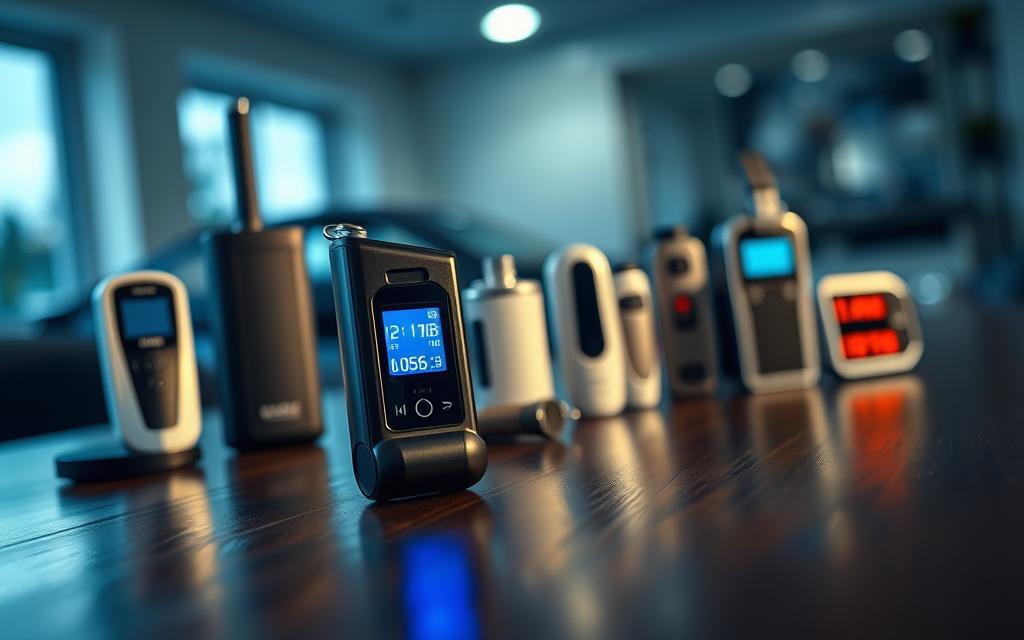
Finding the best Drunk Driving Device means knowing what to look for. There are many options to stop drunk driving.
Top Personal Breathalyzer Brands
Many trusted makers offer great personal breathalyzers:
- BACtrack S80: A top-notch portable device
- BACtrack Mobile: Connects to your phone
- AlcoMate REVO: Has replaceable sensor modules
- Drivesafe Executive: Favored by pro drivers
Essential Features to Consider
Look at these important features when picking a breathalyzer:
| Feature | Importance | Recommended Standard |
|---|---|---|
| Sensor Type | How well it measures BAC | Fuel Cell Technology |
| Calibration | Keeping it precise | Every 6-12 months |
| Certification | Is it legal? | FDA/NHTSA Approved |
A good Car Breathalyzer can avoid legal trouble. It also helps keep everyone safe by encouraging smart driving choices.
Purchasing Tips
- Buy from trusted sellers
- Look at warranties
- Compare sensor accuracy
- Think about future calibration costs
Remember, a Drunk Driving Device is a safety investment. Pick one that works well and gives you the right results.
Using a Breathalyzer Effectively
Learning how to use a DUI Breathalyzer is key for getting right blood alcohol levels. It helps you know how much alcohol you have in your body. This info is important for deciding if you should drive.
Using a breathalyzer right means following some important steps. These steps help get accurate results. How and when you use it matters a lot.
Testing Yourself: Best Practices
Here are some key tips for using a personal breathalyzer:
- Wait 15-20 minutes after drinking or eating before testing
- Ensure the device is at room temperature
- Use a clean mouthpiece for each test
- Take a deep breath and exhale steadily into the device
- Avoid testing after using mouthwash or consuming alcohol-containing foods
Understanding Blood Alcohol Concentration (BAC) Levels
BAC levels tell you how much alcohol you have in your body. Here’s what different levels mean:
| BAC Level | Impairment Symptoms |
|---|---|
| 0.02% | Slight mood elevation, reduced visual tracking |
| 0.05% | Reduced coordination, difficulty steering |
| 0.08% | Legal driving limit, significant coordination loss |
| 0.15% | Major balance loss, substantial driving impairment |
Remember, no amount of alcohol is truly safe for driving. A personal DUI Breathalyzer is a big help. It helps you make smart choices and stay safe on the road.
Cost Considerations for Breathalyzer Devices
It’s important to know how much breathalyzer devices cost. This is true if you’re dealing with DUI laws or want a safety tool. Knowing the costs helps you make smart choices.
Initial Purchase Costs
Breathalyzer prices vary based on their features and use:
- Personal breathalyzers: $20-$150
- Professional-grade portable units: $200-$400
- Ignition Interlock Device (IID) installation: $70-$150
https://www.youtube.com/watch?v=3dkoMge7FRY
Ongoing Maintenance Expenses
Keeping a breathalyzer in good shape costs money. A DUI consultant says regular checks are key for right readings.
| Expense Type | Cost Range | Frequency |
|---|---|---|
| Calibration | $20-$50 | Every 6-12 months |
| Mouthpiece Replacement | $10-$20 per pack | As needed |
| Ignition Interlock Monthly Fee | $60-$90 | Monthly |
Pro tip: These costs are less than what you might pay for a DUI conviction, which can be $10,000-$15,000.
When planning for a breathalyzer, think about both the first cost and ongoing expenses. A DUI consultant can guide you. They help you stay safe and follow the law while watching your budget.
Insurance Implications of Installing a Breathalyzer
Auto insurance after a DUI can be tough to understand. Breathalyzers are key for insurance companies to see how risky a driver is. Knowing this can help drivers choose the right coverage and save money.
How Insurance Companies Evaluate Breathalyzer Use
A DUI conviction really raises insurance rates. Companies see breathalyzers and ignition interlocks as signs of safety. A DUI lawyer can explain how these devices affect insurance.
- Drivers with DUI convictions are seen as high-risk.
- Insurance costs can go up by 80-300%.
- This high-risk label can last 3-5 years.
Potential Discounts for Responsible Users
Some insurance companies now reward safe driving. A DUI attorney can guide drivers on insurance options after a DUI.
| Insurance Approach | Potential Discount |
|---|---|
| Voluntary Breathalyzer Installation | 5-10% |
| Completing Interlock Program | Reduced Rate Increases |
| Clean Driving Record Post-Conviction | Gradual Rate Normalization |
Drivers should talk to their DUI lawyer about insurance. Looking for good rates and driving safely can lessen the DUI’s financial impact.
Common Misconceptions About Breathalyzers
Understanding breathalyzers can be tricky, which is why people often get things wrong. This can really mess up their defense in DUI cases. A good DUI defense lawyer knows how to clear up these misunderstandings.
Myths vs. Facts About Breathalyzers
Many drivers believe false things about breathalyzers. A smart DWI lawyer knows how to tell the truth from lies. This is key to understanding these devices.
| Common Myth | Actual Fact |
|---|---|
| Breathalyzers are 100% accurate | Devices provide estimates with possible variations |
| Pennies or mints can fool the device | Modern breathalyzers detect specific alcohol molecules |
| Coffee or cold showers reduce BAC | Only time can break down alcohol in the body |
Understanding Breathalyzer Limitations
Medical issues can affect how breathalyzers work. For example:
- Gastroesophageal Reflux Disease (GERD)
- Diabetes
- Respiratory problems
These health problems can change the test results. A DUI defense lawyer can spot these issues.
Breathalyzers are useful, but they’re not perfect. People facing DUI charges should talk to a DWI lawyer to learn about breathalyzer limits.
State-Specific Breathalyzer Requirements
Driving laws about breathalyzers and DUIs are tricky in the U.S. Each state has its own rules. These rules can change how serious a DUI charge is. A DUI court lawyer can help understand these rules.
It’s important to know the laws in your state if you might face DUI charges. The rules are different everywhere. This makes it hard to know what to do without help.
Overview of Varying State Laws
All 50 states say you can’t drive with a 0.08% blood alcohol level. But how they enforce this rule is different. A DUI legal expert can explain the rules in your state.
- Implied consent laws with varying penalties
- Zero tolerance policies for underage drivers
- Different look-back periods for prior offenses
- Administrative license suspension procedures
Mandatory Use of Ignition Interlock Devices
About 34 states make you use ignition interlock devices for DUIs. These devices help stop drunk driving. They check if you’re drunk before you can start your car.
Important things to know about IIDs include:
- First-time offender regulations
- Repeat offense consequences
- How long you have to use the device
- What the state expects from you
If you’re facing DUI charges, talk to a DUI court lawyer. They can help you understand the rules in your state.
The Future of Breathalyzer Technology
New tech is changing DUI prevention devices fast. The breathalyzer world is seeing big changes. These changes will change how we stop drunk driving.
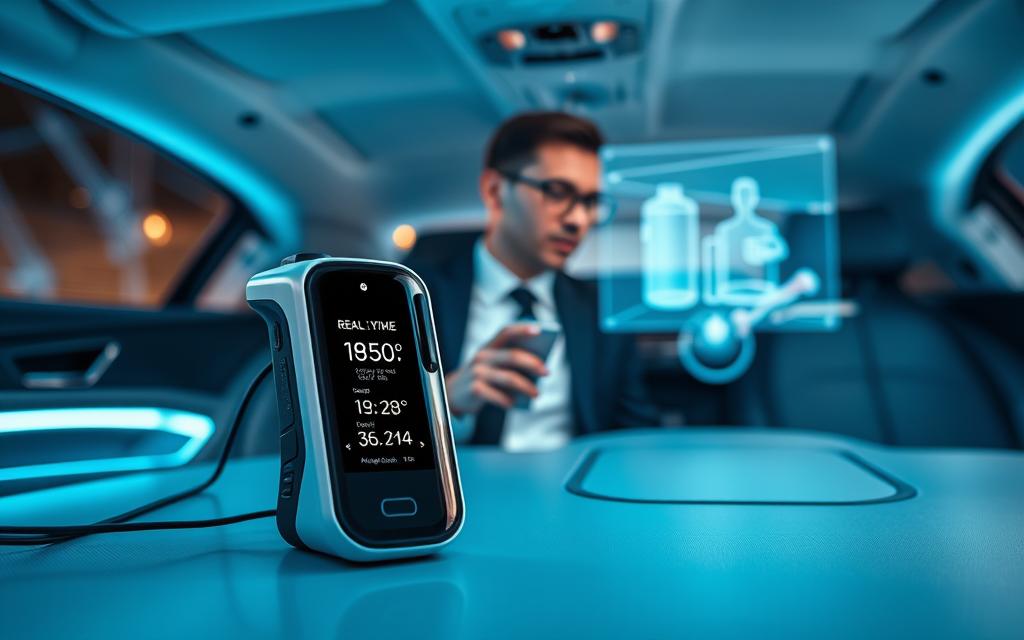
New Ignition Interlock Device tech is making alcohol detection better. Scientists are working on new ways to keep drivers safe. They are looking at:
- Smartphone-integrated breathalyzer systems
- Advanced quantum cascade laser spectroscopy
- Touch-based alcohol detection sensors
- Artificial intelligence-powered monitoring technologies
Emerging Technologies in Breath Testing
New DUI Prevention Device tech is exciting. Things like transdermal alcohol sensors and passive cabin air monitoring are getting better. They want to find alcohol without bothering you.
| Technology | Key Features | Potential Impact |
|---|---|---|
| Quantum Spectroscopy | Multi-substance detection | Comprehensive impairment screening |
| Vehicle Integration Sensors | Automatic BAC testing | Preventing impaired driving |
| AI Monitoring Systems | Predictive risk analysis | Enhanced driver safety |
Potential Changes in Regulation
Rules are changing to keep up with new tech. The Infrastructure Investment and Jobs Act is a big step. It means new cars will have better breathalyzer tech soon.
The future of breathalyzer tech is bright. We will see better, easier ways to stop drunk driving.
Resources for DUI Affected Individuals
Dealing with DUI charges is tough. People facing these legal issues need help and advice from trusted sources and DUI experts.
Support Organizations for DUI Affected Individuals
Many groups offer important help for those hit by DUI:
- Mothers Against Drunk Driving (MADD): Gives support and learning tools
- National Highway Traffic Safety Administration (NHTSA): Shares info on prevention
- Alcoholics Anonymous (AA): Helps those dealing with alcohol issues
Finding Qualified Legal Assistance
Finding the right DUI lawyer is key for good legal help. A DUI expert can really change how your case goes.
| Criteria for Selecting DUI Representation | Importance |
|---|---|
| Specialized DUI Experience | Very important for knowing legal details |
| Local Court Knowledge | Helps with local legal steps |
| Trial Experience | Improves how you defend yourself |
When looking for a DUI lawyer, choose ones with a good track record. They know a lot about DUI cases, like breath tests and field sobriety tests.
Legal Support Options
- Private DUI Specialists
- Public Defender Services
- Legal Aid Organizations
Getting good legal help is very important. A DUI expert can help lessen penalties and protect your future.
Encouraging Safe Driving Habits
Stopping drunk driving needs a big plan. It’s not just about laws. Communities must also help by teaching people to drink safely and avoid driving when drunk.
- They start designated driver programs
- They give free rides when it’s risky
- They give out special devices to stop drunk driving
- They run big awareness campaigns
Community Responsibility in Action
Local groups can really help by coming up with new ways to fight drunk driving. They do things like:
- Working with rideshare services
- Hosting educational workshops
- Offering free breathalyzer tests at events
Individual Empowerment
Everyone can help stop drunk driving in their own way. Talking to friends and family about the dangers of drunk driving helps a lot. Simple actions include:
- Offering to drive instead
- Telling someone not to drive drunk
- Using DUI prevention devices
Together, we can cut down on drunk driving and save lives.
Conclusion: The Importance of Breathalyzers in Society
Breathalyzer technology is a big step forward in keeping roads safe. It helps stop drunk driving by using ignition interlock devices. These devices cut down on drunk driving accidents in the U.S.
Car breathalyzers help people make smart choices before driving. They show how much alcohol is in your blood. This helps drivers know if they’re too drunk to drive.
Police and safety experts see breathalyzers as key in fighting drunk driving. Studies show that places with ignition interlock devices have fewer drunk driving deaths. This proves that technology works to save lives.
The future of safe roads depends on new tech and using breathalyzers more. By using these devices, we can all help make roads safer. This stops drunk driving accidents and saves lives.